

The Moderation Trap
In the spirit of my little break from cooking this week, Erin and I went to a Thai restaurant last night. Erin grew up in a really small town and she has this thing about old-fashioned good service, so whenever she has car trouble we need to drive 45 miles to the only guy in the state that she trusts with her car. As you can imagine, this makes me very happy and not at all grumpy. But the fact that we found a good Thai restaurant nearby made it all better. I was really craving Thai because we’ve been eating SO much pasta and Italian food recently, and I think when I start posting recipes again (this weekend!) I’ll try to get away from the pasta a little bit.
Moderation in Food Matters
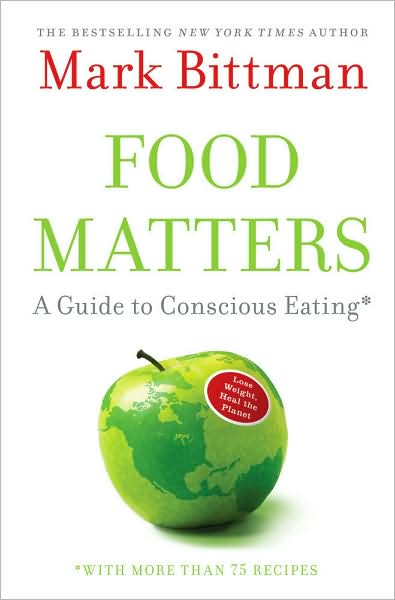
I’ve been reading the book Food Matters: A Guide to Conscious Eating
Moderation.
That devilish panacea that so many other health authors promote. It seems so easy: you don’t have to give up anything for good; just make sure you enjoy whatever it is “in moderation.” And what could be safer for an author than to recommend such a universally agreed upon approach?
Moderation works if you already eat well and you’re already healthy. It’s an ideal that one should eventually hope to get to; nobody wants to be “on a diet” for the rest of his or her life. But moderation isn’t what people need when you’re trying to promote massive change on a cultural level.
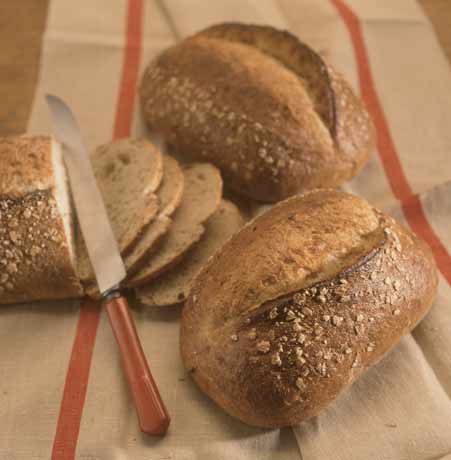
Moderation doesn’t inspire, and it doesn’t last when you try to institute it. Tell yourself you’re going to make major changes to your diet, the ones Bittman suggests, but that everything is ok in moderation, and see what happens. Mark refers his own habit of devouring “good white bread on the dinner table” (the word he uses is “attack”) to illustrate his moderate approach, so I’ll use that as an example. Depending on how much you want to change, you’ll limit the white bread in the first day, maybe the first week. But then you’ll remember the m-word, you’ll feel you deserve a reward for the changes you’ve made, and you’ll eat white bread at dinner one night. Then you’ll have it again two days later; it’s fine in moderation. Then the next day at lunch. I don’t think I need to keep going. If you’re lucky and strong-willed, it might take a month or two before your diet and weight are indistinguishable from what they were when you told yourself that, this time, things would be different.
If it sounds like I’ve been through this, it’s because I have. I tried this approach to giving up coffee a few weeks ago, with my moderation taking the form of one or two cups per week. And now I’m back to drinking it almost daily. This isn’t how you make changes. You make changes by making radical shifts and sticking with them through discomfort until the pattern is broken. Once it is, and I mean once you’re really sure that it is, only then can you dip your toe in the moderation pool to see how it feels. This is what I need to do with coffee. It’s what I did with soda about eights years ago. After completing an initial year of none at all, I’ve probably had less than 20 since then. That is moderation.
I know that Bittman means well. And it sounds like his plan helped him to lose weight and totally change his eating habits. But a lot of people who could really use the help, and who are really anxious to help not just themselves but the world around them, are going to pick up this book and fall into the moderation trap. And a few months later, as they pull into McDonalds for a supersized #4, it will be as if Food Matters never happened to them.